History of UMass Boston: Boston's Public Research University
For more than 50 years, the University of Massachusetts Boston, the second university to join the UMass system, has continuously evolved to meet the educational, research, and innovation needs of Boston and the Commonwealth. These highlights from the University's history provide insight into its growth into an R1 research institution that is setting the national standard for student access to top-tier research and career connections.
Meeting the Demand for a UMass Education
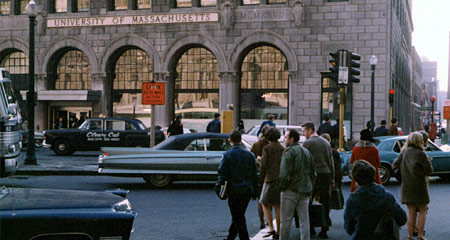
In 1964, amid growing political turmoil, civil-rights activism, and urban unrest, applications from the first wave of baby boomers inundated colleges and universities. Among the 8,000 applicants UMass in Amherst rejected that year were 1,400 qualified students from metropolitan Boston—most of whom could not afford a private college education. To meet the growing need, the Massachusetts Legislature established the University of Massachusetts Boston. During 1965, the school opened its doors in downtown Boston’s Park Square and became the second university in the UMass system.
A Campus on Columbia Point
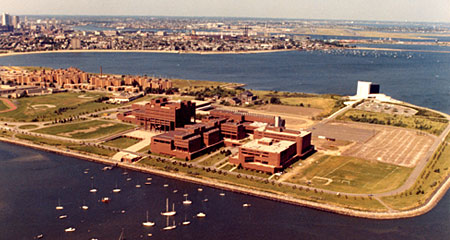
In 1968, school officials announced UMass Boston’s future home would be on Columbia Point, a peninsula in Dorchester Bay. Indigenous land, it was called 'Calf Pasture' in the 1600's when Dorchester farmers brought their cattle there to graze. The Calf Pasture Pumping Station was built on the peninsula in the 1880's. The new campus opened its doors in 1974, and the community settled into McCormack and Wheatley halls, the Science Center, Healey Library, and Quinn Administration Building.
Momentum for Expansion
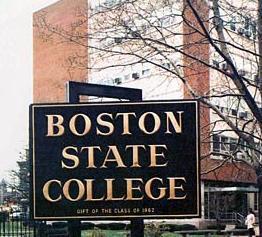
In 1982, UMass Boston gained graduate and undergraduate programs in education; undergraduate programs in criminal justice, nursing, and regional studies; and an evening division when it took over Boston State College, an institution that had transformed over 130 years including time as the Boston Normal School and State Teachers College at Boston. This union created momentum for UMass Boston to expand both its degree offerings and its presence in the Boston community. The expansion continues today with a growing number of degree programs, research facilities, centers and institutes, and community-based partnerships and initiatives that promote learning.
Continuing to Scale
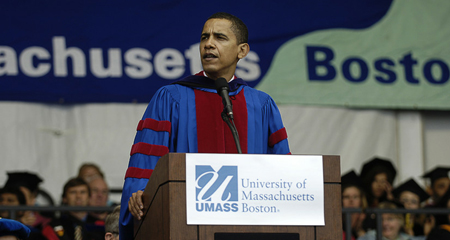
The 1980s and 1990s saw a growing presence in the community and beyond for the University. New centers, institutes, and degree programs promoted research and active engagement in Latino, African-American, and Asian-American community development; gerontology; labor studies; public affairs; harbor and environmental studies; and health care. By 1995, UMass Boston had 31 graduate degree and certificate programs, with graduate students comprising 21 percent of total enrollment.

Training the Commonwealth’s Future Workforce
As the University grew, training and learning opportunities for students increased. For example, in 2005, the National Cancer Institute (NCI) funded a U56 pilot partnership between UMass Boston and the Dana-Farber/Harvard Cancer Center. In 2009, UMass Boston’s business incubator, the Venture Development Center (VDC) was launched. By 2011, the VDC had placed nearly 100 students in internships at venture-backed startups.
A 50-Year Milestone
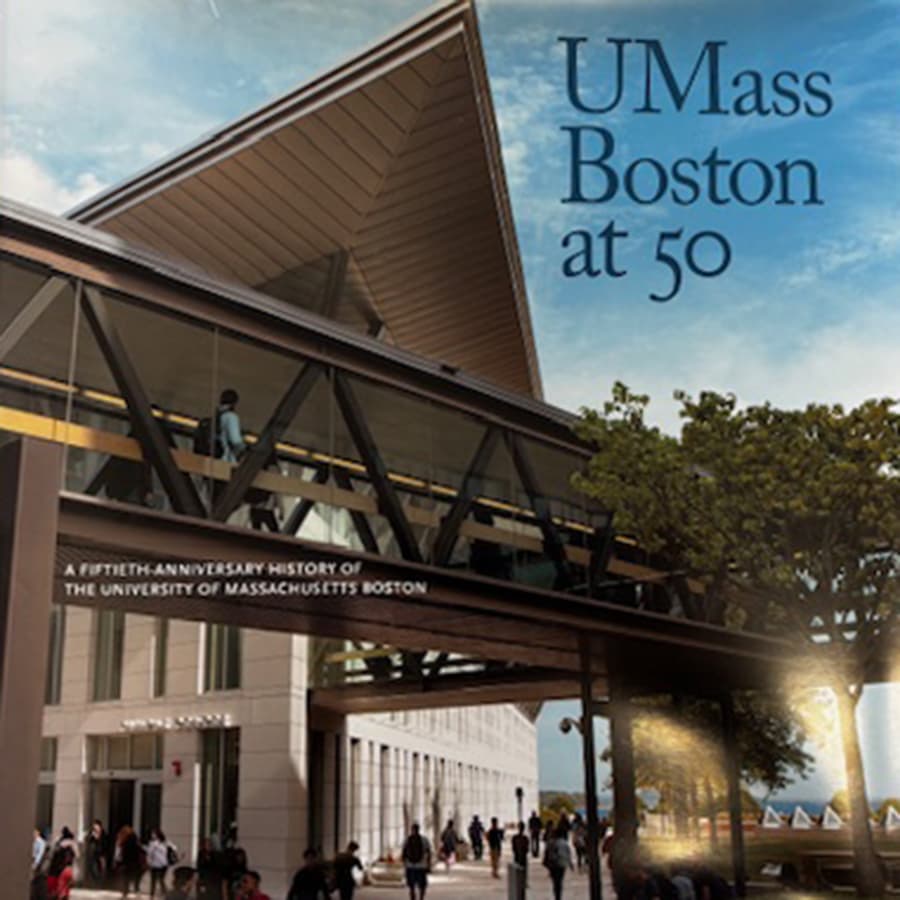
In 2015, UMass Boston celebrated its 50th anniversary. In its first 50 years, the University increased access to higher education for many in the region and led to transformative community engagement and research advancements in the Commonwealth. UMass Boston at 50: A Fiftieth Anniversary History of the University of Massachusetts Boston provides a look back at the school’s history.
A Campus for the Future
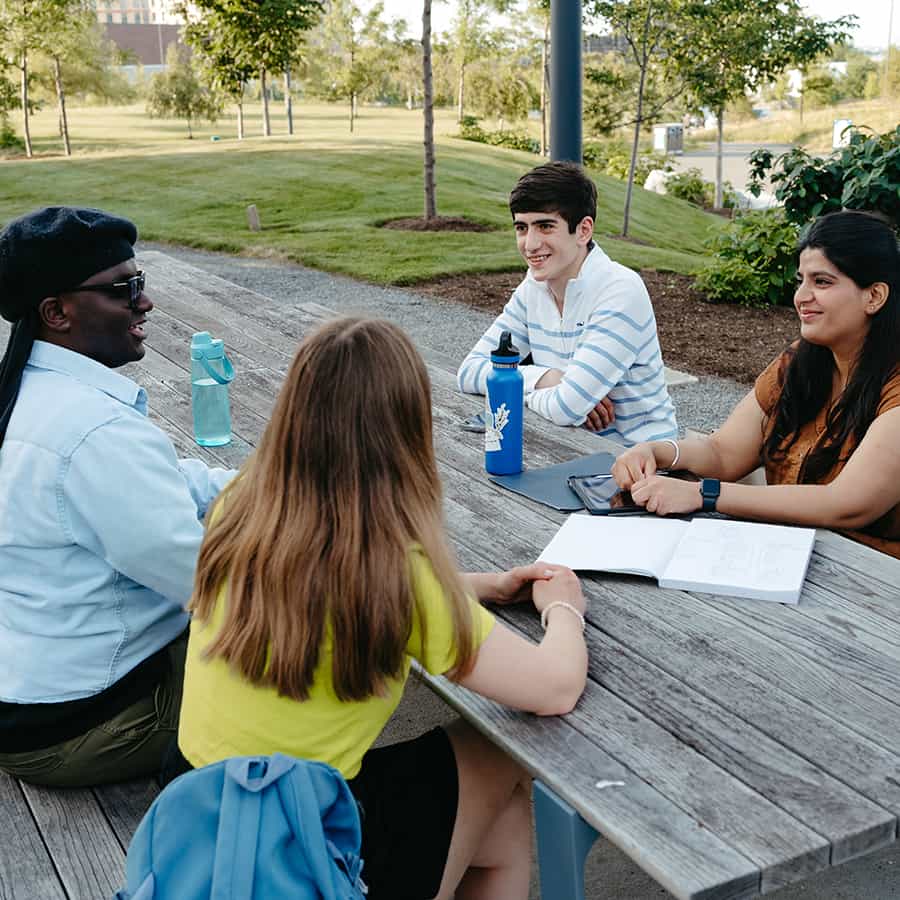
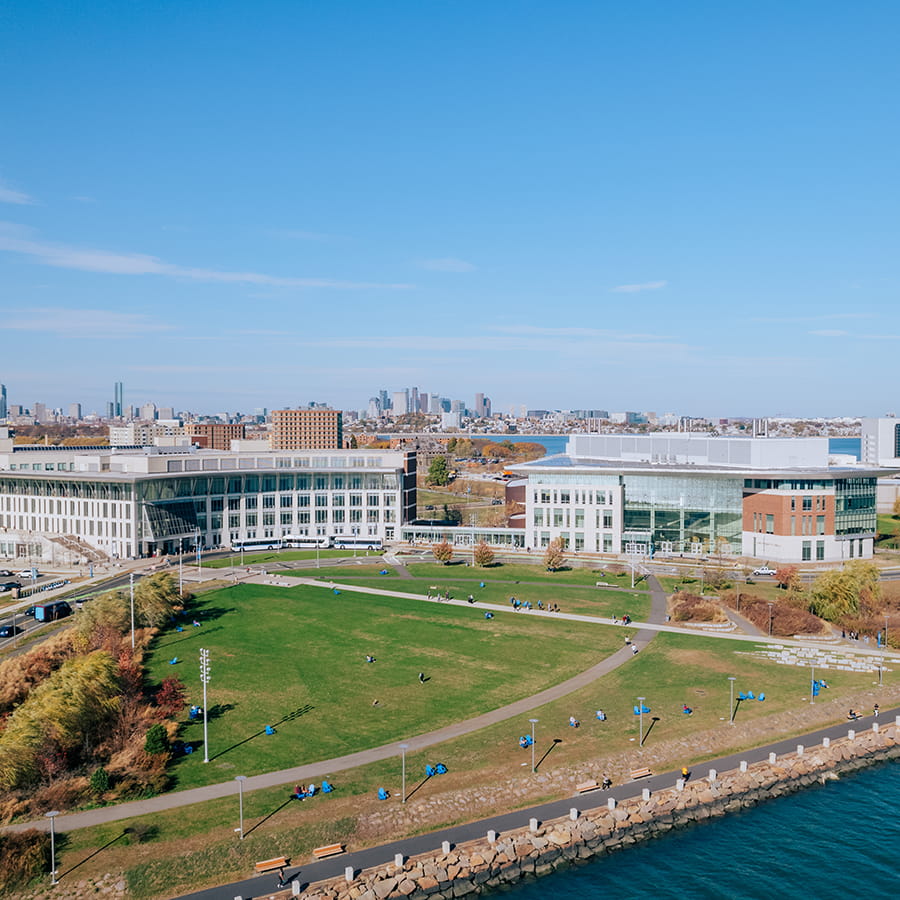
As part of its 25-year master plan to renew and redevelop the campus, the university finished construction on the Integrated Sciences Complex, University Hall, and the Quad.
A Carnegie Research 1 University
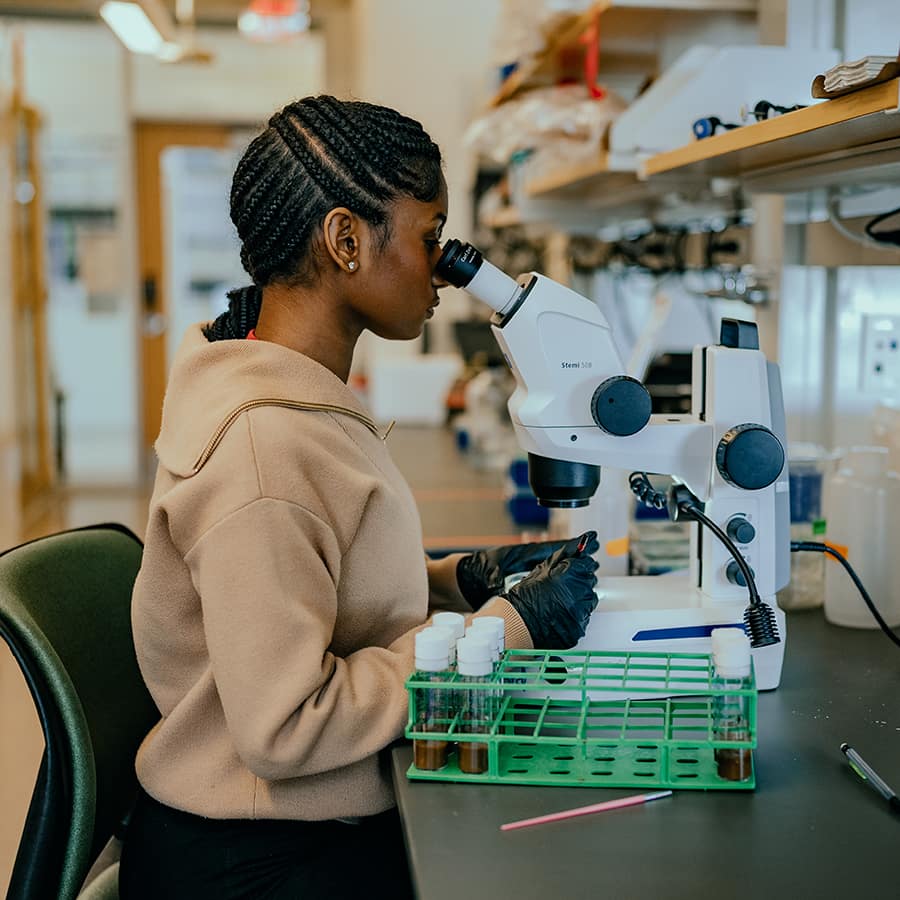
By 2025, UMass Boston was home to an expanding array of research activities. The University had grown its research infrastructure, partnerships, Research Core Facilities, VDC services, and was named an R1 research institution with “very high research activity” by the Carnegie Classification of Institutions of Higher Education.
A Thriving Student-Centered, Urban Public Research University
UMass Boston, #1 in the U.S. for student access to top-tier research, serves more than 16,000 undergraduate and graduate students and continues reaching its potential as a great student-centered urban public research university. One important constant is fulfilling the founders’ commitment “to see that the opportunities we offer… are indeed equal to the best that private schools have to offer.”
Historic images courtesy of the University Archives and Special Collections