Climate Inequality and Integrative Resilience (CLIIR) Initiative
With climate resilience and inequality as an umbrella, the CLIIR Initiative focuses on three main themes: Indigenous Knowledge and Governance, Climate Migration, and Climate Change and Health. Our work was funded by a National Science Foundation planning grant through the Centers for Research Innovation in Science, Environment, and Society (CRISES) program.
We work with these three themes because they:
- leverage areas of strength within our team and partner networks.
- have significant interconnections, fostering our capacity to think and work holistically.
- provide testing grounds for building the Decision Support Hub and advancing the study of individual and collective decision-making.
Improving Water Quality in the Northeast
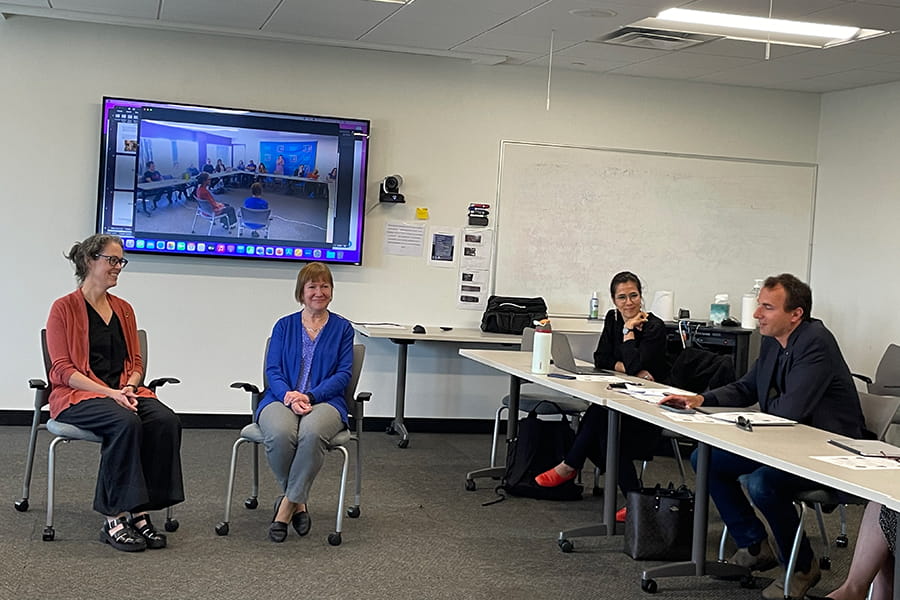
The Sustainable Solutions Lab (SSL) at UMass Boston worked with the New England Water Infrastructure Network (NEWIN), a program of the New England Environmental Finance Center (NEEFC), to co-develop methodologies for engaging under-served communities to ensure they can access technical assistance and funding for safe, affordable, and resilient drinking water, wastewater, and stormwater systems.
SSL’s team included Dr. B.R. Balachandran, Dr. Rosalyn Negrón, Gabriela Boscio Santos, Dr. Cedric Woods, Dr. Fabián Torres-Ardila, Dr. Elizabeth (Betsy) Sweet, and Dr. Laura Castro-Diaz, and had two main components:
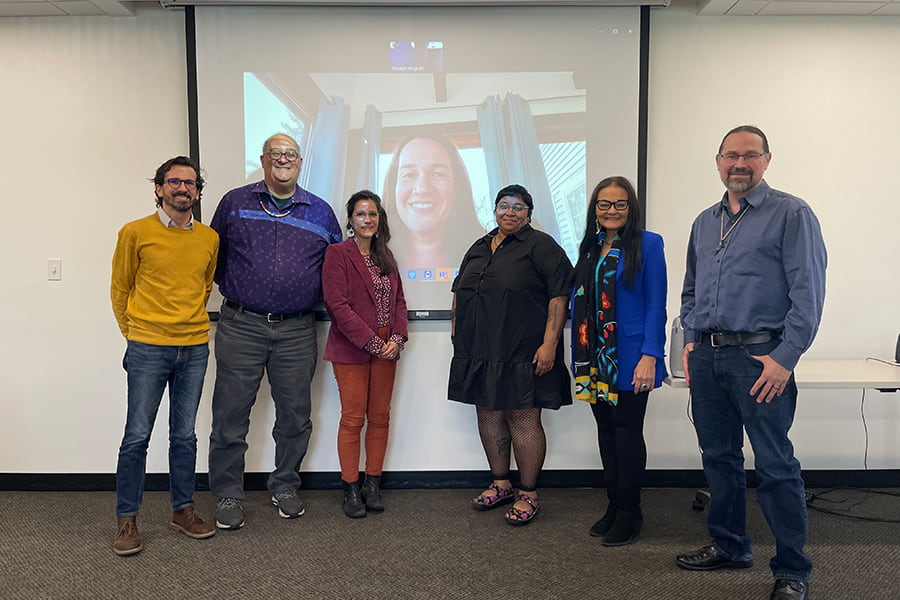
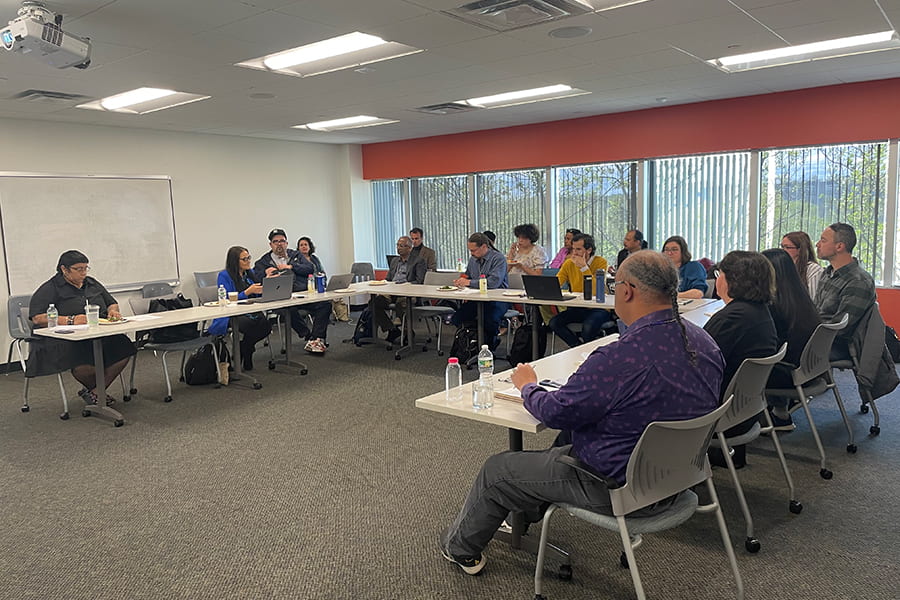
1) Expanding Tribal Access: Led by Dr. Cedric Woods, this project leveraged UMB’s Institute for New England Native American Studies (INENAS) to identify eligible Tribes and tribal entities and projects to participate in the program. Dr. Woods’ work connecting and talking to different tribes helped to inform approaches for identifying and engaging underserved and disadvantaged communities and Tribes.
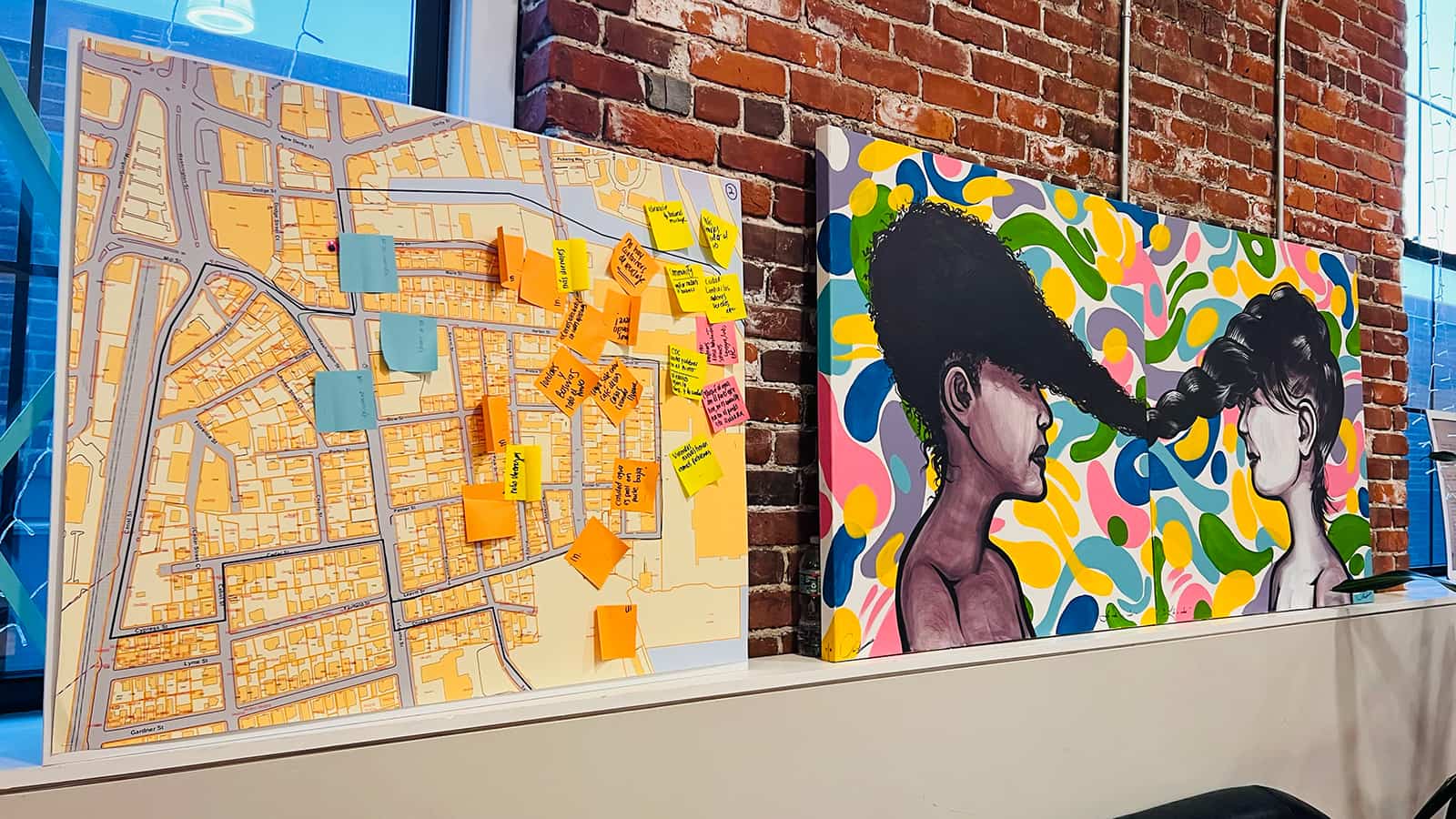
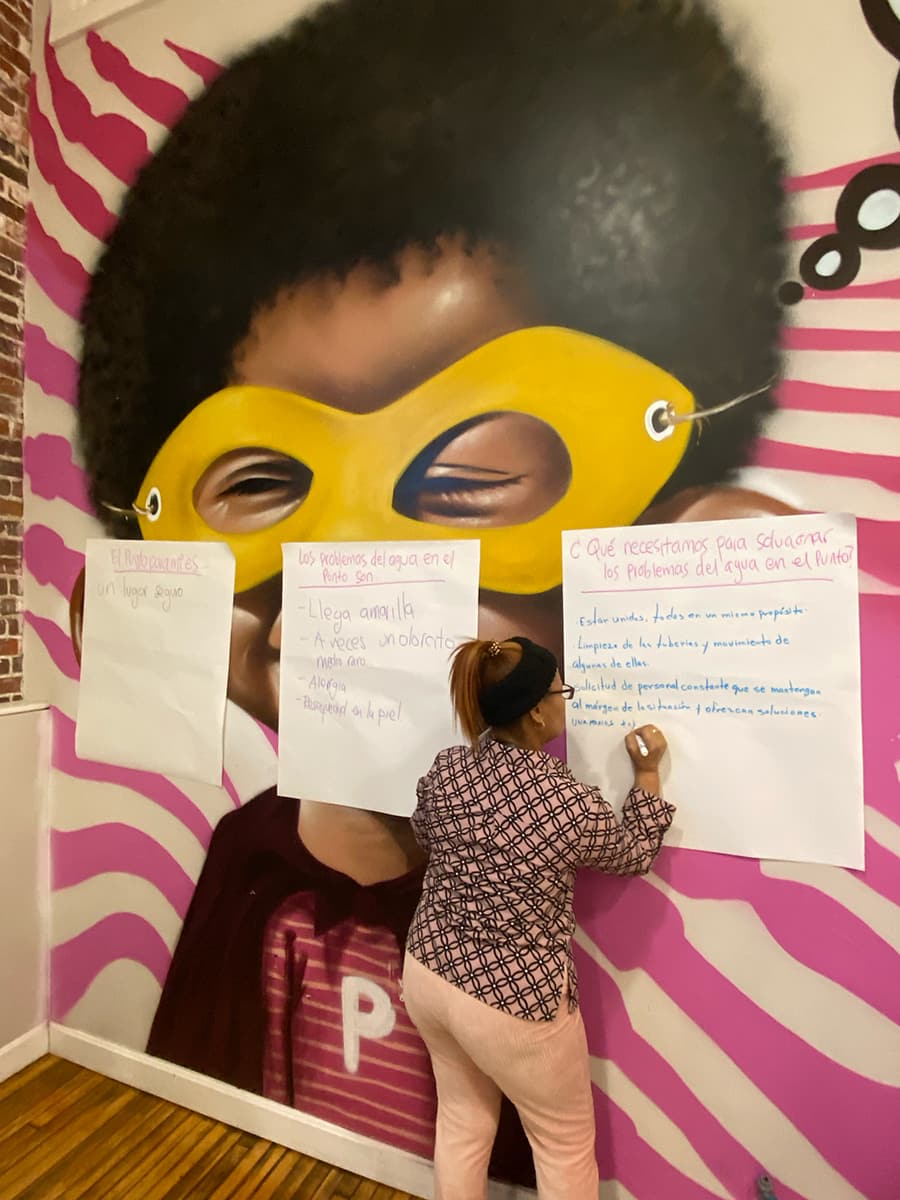
2) Liderazgo Project in El Punto, Salem: The research team for this project included researchers from the School for the Environment (SFE), Dr. Betsy Sweet & Dr. Laura Castro-Díaz; from the Mauricio Gastón Institute for Latino Community Development, Dr. Fabián Torres-Ardila & Daniela Bravo; and community researchers recruited from the El Punto neighborhood in Salem, MA. Through community engagement activities, the team explored the ways water quality affects the lives of community members. Residents’ leadership was promoted and enhanced through the exploration of their strengths and voices. Learn more through the Liderazgo for Change StoryMap.