Fall Open House
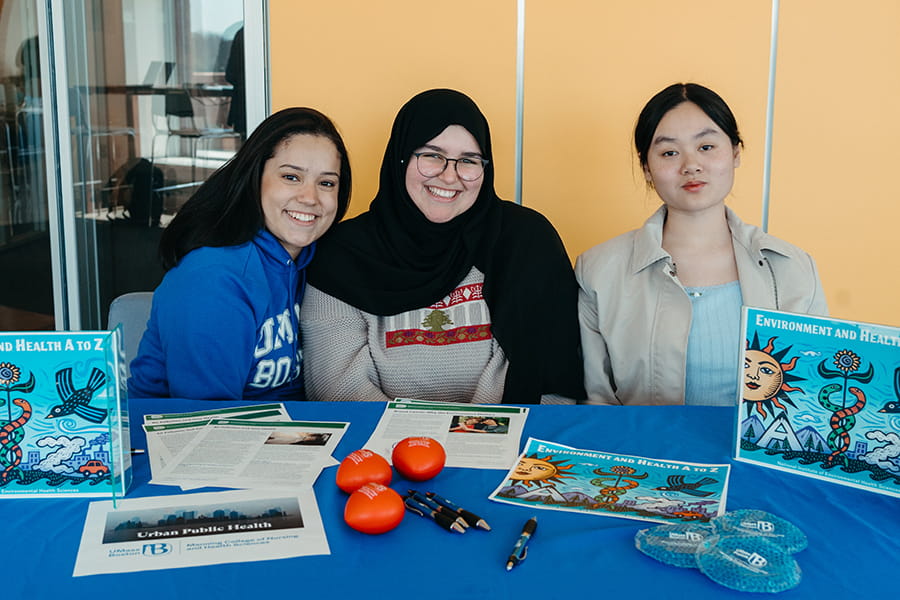
Future Beacons! Join us for Fall Open House on October 24 or November 7. Prospective undergraduate students are invited to tour campus and learn how UMass Boston is made for you.
RSVP for Open HousePrepare for your future as a Registered Nurse.

Future Beacons! Join us for Fall Open House on October 24 or November 7. Prospective undergraduate students are invited to tour campus and learn how UMass Boston is made for you.
RSVP for Open House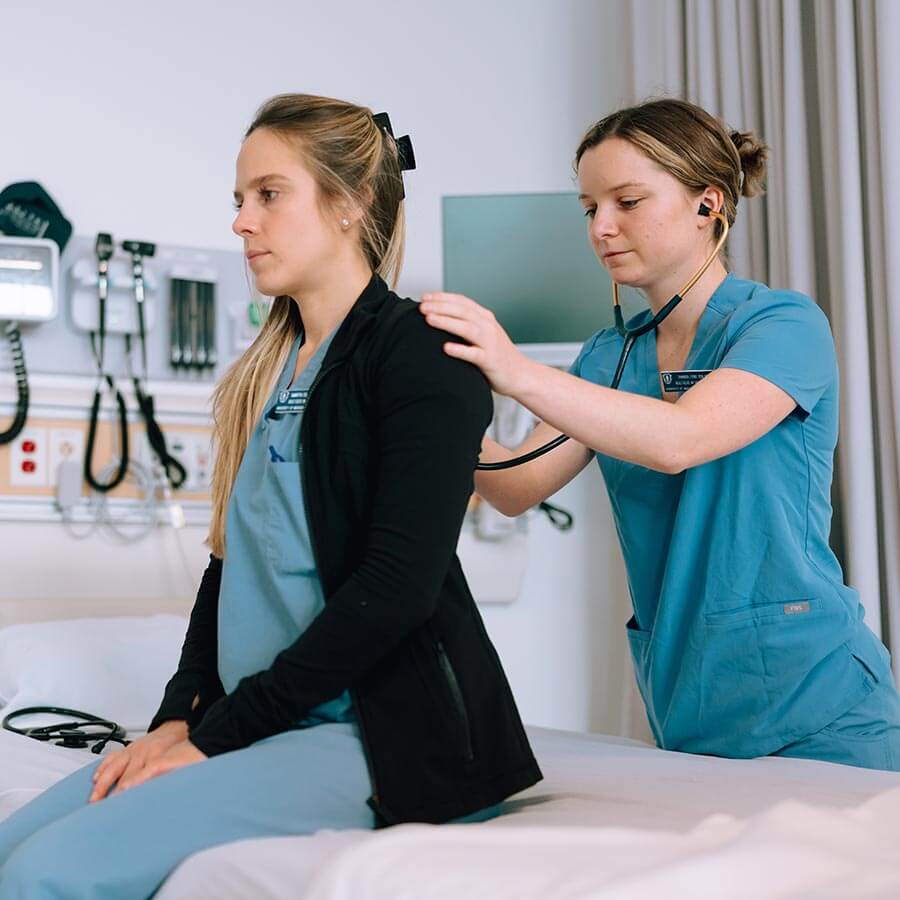
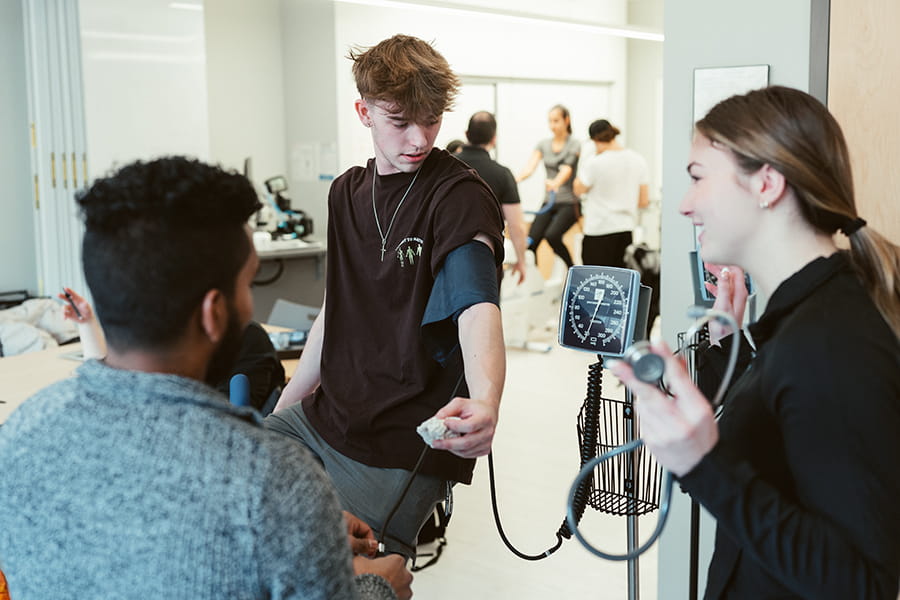
Jump into patient care and nursing practice from day one at UMass Boston. The program provides dedicated academic advising through the Office of Student Success and Engagement to guide you throughout your studies, while extensive clinical placements in leading Boston health care settings give you exposure to patient care. Scholarships and financial aid tied to workforce development help you move confidently from classroom to career.
Here’s where this degree can take you:


Early action deadline: November 1; Regular Decision Deadline: June 15
Please review the first-year and transfer apply pages for important information about application requirements, deadlines, and application status check.
Become a Beacon and pursue your passion in UMass Boston’s diverse, supportive environment. Many students across our 200+ undergraduate and graduate programs receive financial aid—providing access to an education that’s exceptional and affordable. Click below to learn more about financial aid opportunities and deadlines.
Nutrition Course (3 Credits)
Anatomy & Physiology (8 Credits)
Microbiology (4 Credits)
Chemistry (4 to 5 Credits)
Take one laboratory chemistry course or lecture and lab pair from below.
Nursing Core (70 Credits)
For more information on curriculum, including course descriptions and degree requirements, visit the Academic Catalog.
To be eligible for licensure as a registered nurse in the Commonwealth of Massachusetts, individuals must successfully complete a required background check and obtain a Social Security Number. Many of our clinical affiliate agencies have similar requirements for student participation in clinical experiences. Additional information regarding licensure requirements can be found in the NCLEX Application (see page 3).
Applicants who anticipate difficulty meeting these requirements are encouraged to contact nursing@umb.edu for guidance. Matriculated students should contact their Program Director as soon as possible to discuss their individual circumstances and available options.
Demonstrate competence & clinical judgement in prioritizing person-centered, culturally sensitive care delivered with a focus on health equity.
Integrate best evidence into nursing practice to coordinate and manage health care for individuals, families, communities, and populations across the life span.
Upon admission to the University or completion of an Undergraduate Program Add/Change form.
Admission criteria for the major include GPA requirements and available space in the program. Students should seek advising before declaring the major.
Degree Requirements
If this is the student’s only or primary major, the degree requirements below must be completed for graduation. See graduation requirements for more information.
College of Nursing and Health Sciences Requirements for Bachelor of Science
Major Requirements
Complete a minimum of 89 credits from 19 courses including one nutrition course, two anatomy and physiology courses, one microbiology course, one chemistry course, and 14 nursing core courses.
GPA: A minimum GPA of 2.5 is required from all UMass Boston courses.
Minimum grade: No courses with a grade below C+ may be applied toward the major.
Pass/fail: No courses taken pass/fail may be applied toward the major.
Prospective Undergraduate students should direct all inquiries to the Office of Undergraduate Admissions
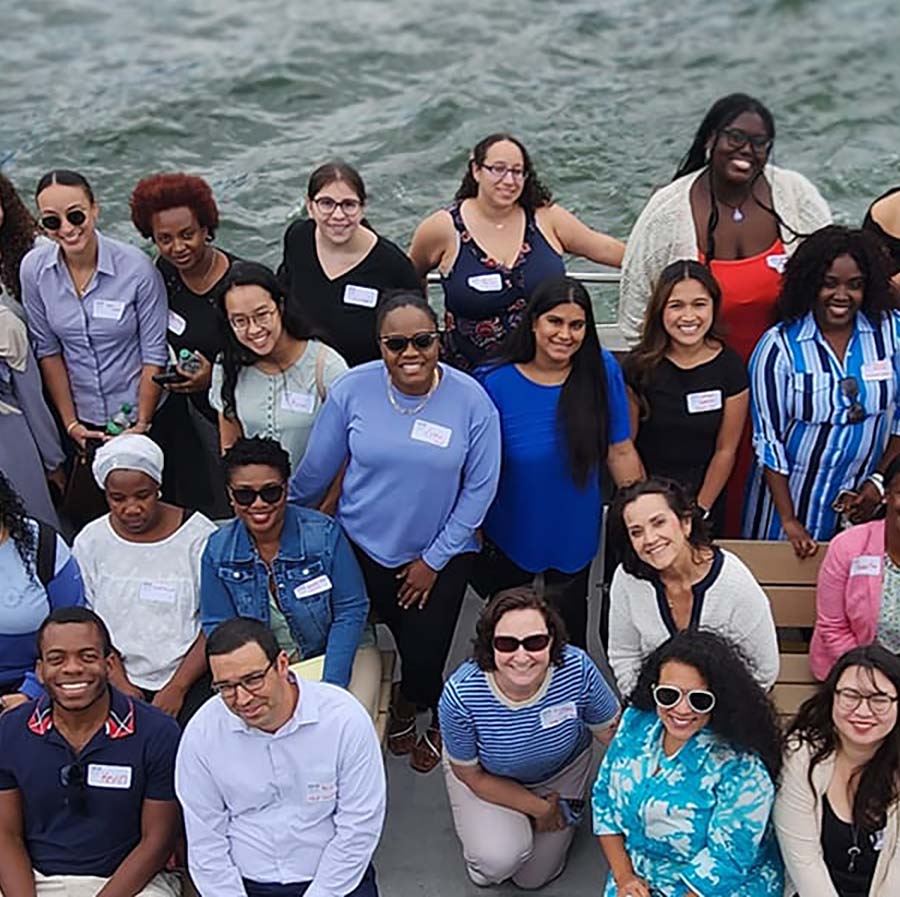
The Clinical Leadership Collaborative for Diversity in Nursing (CLCDN) is a partnership between UMass Boston’s Manning College of Nursing & Health Sciences and Mass General Brigham, designed to support diverse nursing students from education to career.
Fellows benefit from one-on-one mentorship through their first year as a nurse, leadership and professional development training, preferred clinical placements in top MGB hospitals, financial support, NCLEX preparation, and personalized job search support, plus access to a powerful professional network. With over 200 students supported, CLCDN is helping launch the next generation of nursing leaders.
Learn More About The Partnership
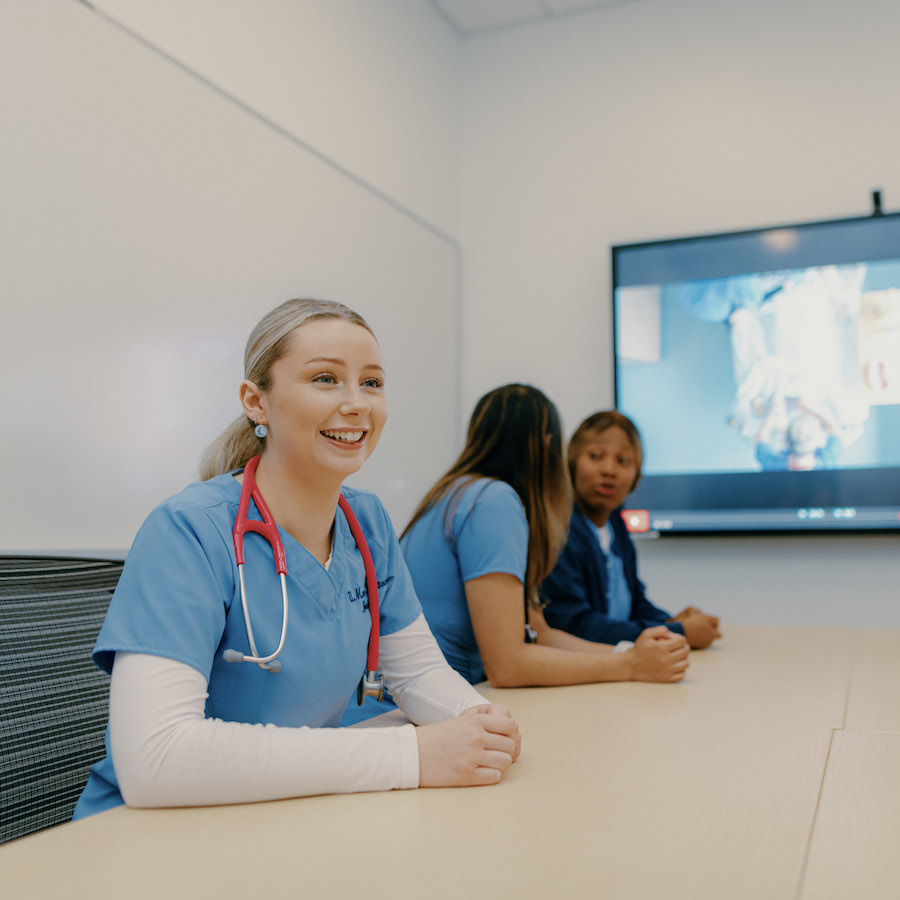
Explore the department and college that supports your journey in Nursing.