Robert C. Wood Visiting Professorship in Public and Urban Affairs
Each year, the Robert C. Wood Visiting Professorship brings distinguished public leaders to campus for a lecture and conversation to engage students, faculty, and community members in discussions of public policy and public service.
2026 Lecturers
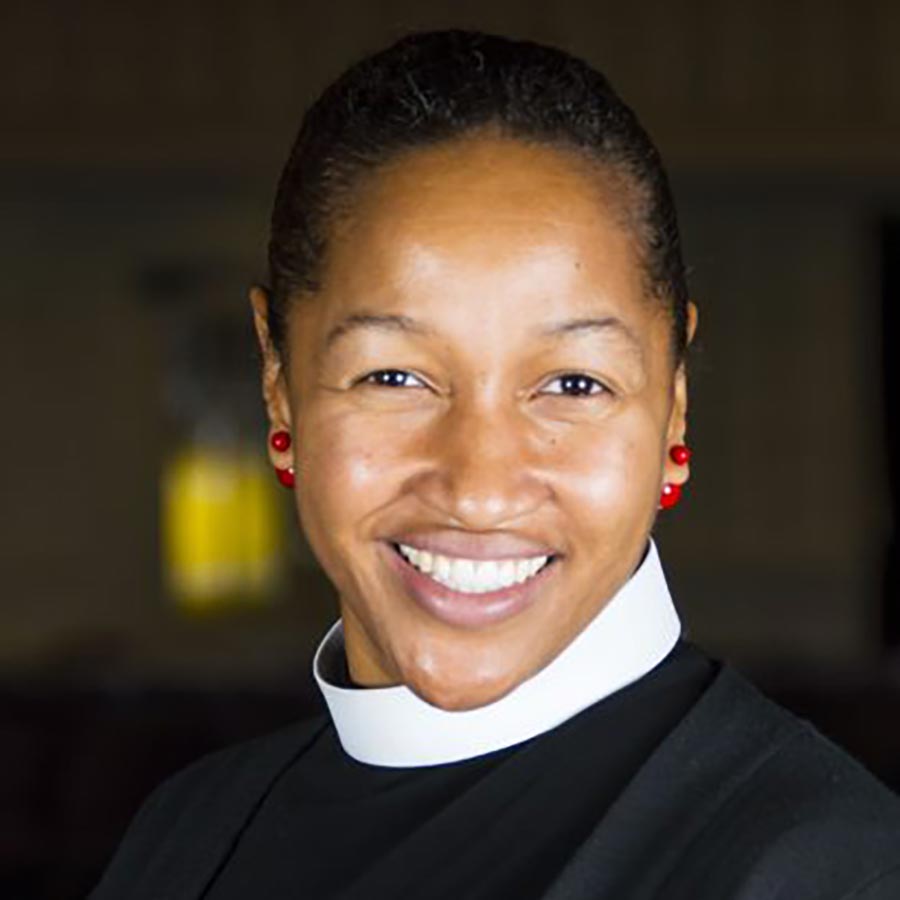
Rev. Mariama White-Hammond is the founding pastor of New Roots AME Church in Dorchester and a longtime advocate for environmental, racial, and economic justice. Formerly Boston’s Chief of Environment, Energy, and Open Space, she brings an intersectional approach to climate and ecological work, connecting environmental justice with faith, equity, and community.
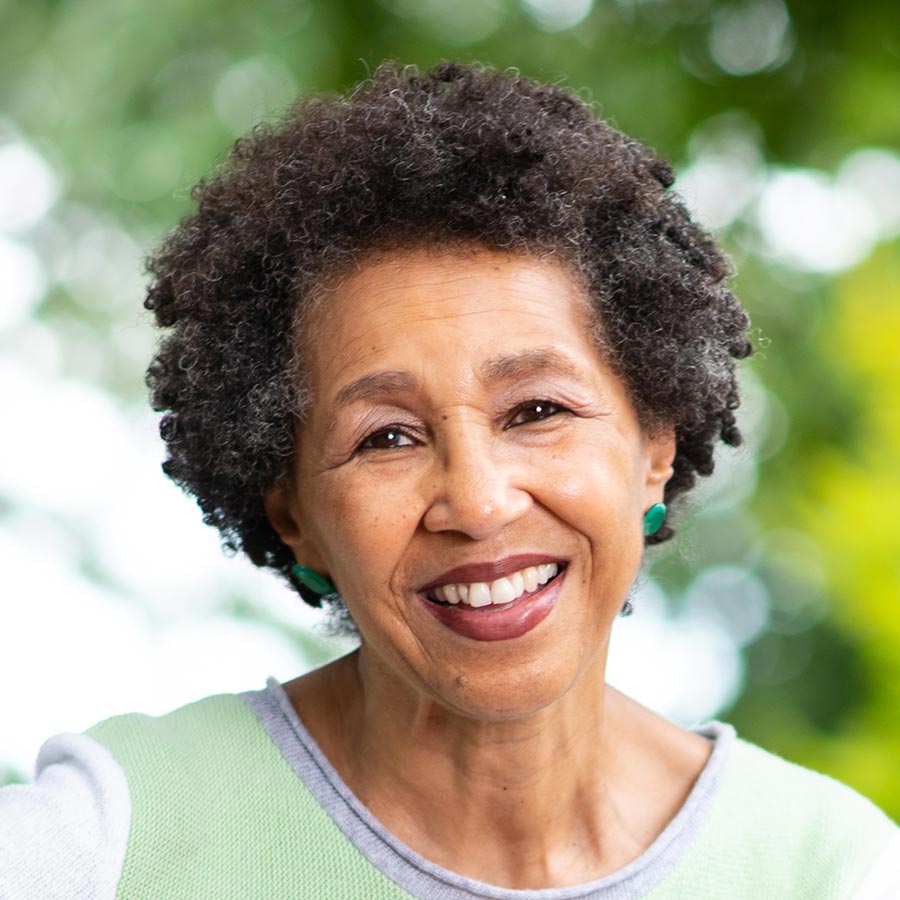
As Co-Pastor of Bethel AME Church, "Pastor Gloria" has bridged medicine, ministry, and social justice throughout her life's work. She has brought healing and hope as a community health center pediatrician, humanitarian advocate for women and girls in conflict zones, and professor of spiritual care to medical, divinity, and public health students."
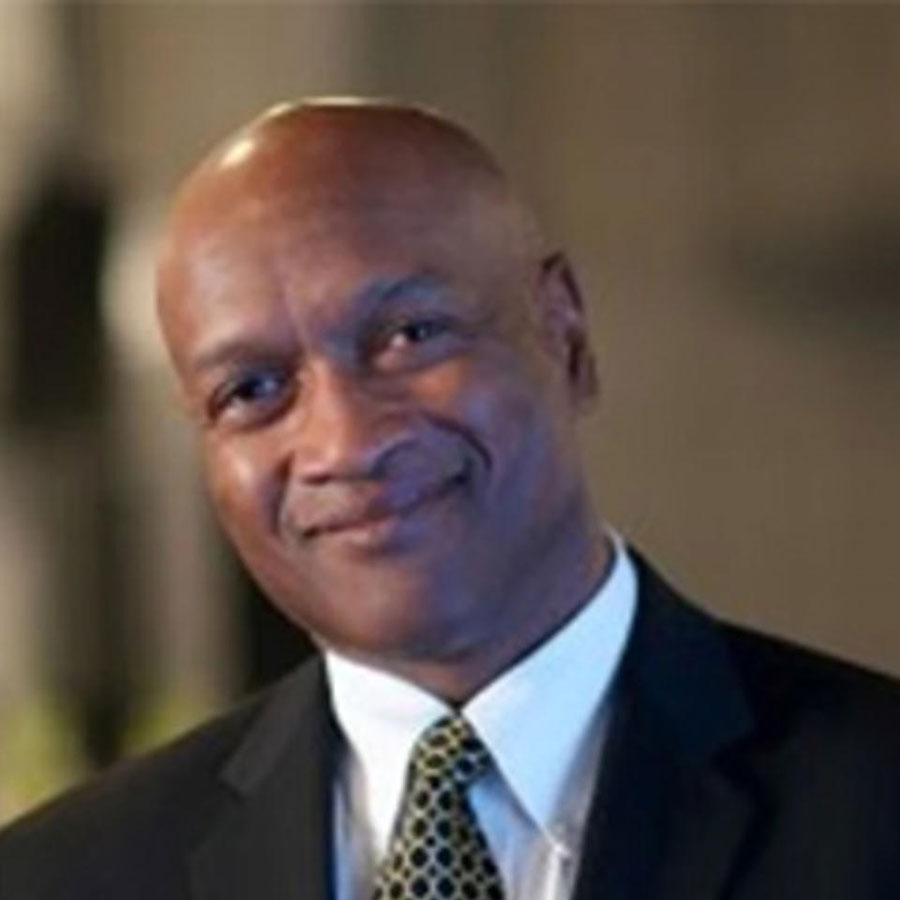
Reverend Dr. Ray Hammond is co-founding Senior Pastor of Bethel AME Church in Boston and a longtime leader in the city's faith and civic life, including his work with the Black Ministerial Alliance–Ten Point Coalition. He also teaches at Harvard Divinity School, bringing decades of pastoral and community leadership into the classroom.
About the Visiting Professorship
The 2026 Wood Visiting Professorship Lecture and Discussion was held on September 23, 2026. Check out the event recording.
The Robert C. Wood Visiting Professorship in Public and Urban Affairs was established in 1998 at the now John W. McCormack Graduate School of Policy and Global Studies. Conceived as a vehicle for bringing distinguished public leaders to lecture and engage on topics such as race, education, and government efficiency, the professorship links the scholarly pursuits of the McCormack Graduate School with practical problems and policies of the larger society.
The Robert C. Wood Visiting Professorship Committee at the John W. McCormack School of Policy and Global Studies launched the inaugural Robert C. Wood Visiting Professorship Student Internship Award in Public and Urban Affairs associated with the Wood Visiting Professorship in 2024.
Select Readings & Resources
Select Readings & Resources
The full bibliography assembled for this year’s Wood Visiting Professorship includes more than 100 entries, spanning centuries of moral and civic thought. This shorter list offers a compact, accessible on ramp to the lecture and discussion on September 23rd. It includes a mix of primary sources behind the phrase “City on a Hill,” Robert C. Wood’s own words, and several contemporary works addressing both the country’s founding and the concept of “civic moral compass.” Please note this is not meant to be a comprehensive list—there are many disciplines and dimensions involved with questions of ethics, values, and morality, especially regarding the “civic” side. We do hope it whets your appetite, though, and inspires further inquiry and reflective practice.
Robert C. Wood, in His Own Words and Remembered
Robert C. Wood, “Urban Independence,” Independence Day Oration, delivered in Faneuil Hall, Boston, July 4, 1968.
Wood’s own articulation of civic ideals for the city
Richard A. Hogarty and Marcy Murninghan, “Two Salutes to Robert C. Wood, 1923–2005,” New England Journal of Public Policy, Vol. 20, No. 2, March 21, 2005.
A concise portrait of Wood’s character and legacy
The Source of “City on a Hill”
John Winthrop, “A Model of Christian Charity,” 1630.
A sermon that coined the image at the heart of the civic moral compass theme
Mark Peterson, review of Daniel T. Rodgers, As a City Upon a Hill: The Story of America’s Most Famous Lay Sermon, English Historical Review, vol. 135, issue 575 (August 2020), 1024–1026.
A brief account of how Winthrop’s phrase traveled from Puritan sermon to modern political cliché
The Founding, Reconsidered
Danielle Allen, Radical Duke: How One Aristocrat—and the American Revolution— Transformed Britain (New York: Liveright, June 2026).
A tracing of the Revolution's transatlantic roots offering a reminder about how the founding moral claims of the nation were contested and unsettled from the beginning
Pauline Maier, American Scripture: Making the Declaration of Independence (New York: Vintage Books, 1998).
A tale of two different but related stories: the original making of the Declaration (along with 90 other declarations throughout the 13 colonies) and its subsequent remaking into what most Americans know, remember, and revere
The Moral Distance Between Ideal and Practice
Frederick Douglass, “What to the Slave Is the Fourth of July?” July 5, 1852.
The classic counter-testimony to founding-era self-congratulation
Eddie S. Glaude, Jr., America, U.S.A.: How Race Shadows the Nation's Anniversaries (New York: Penguin Press, May 2026).
A timely reflection on how race complicates our civic self-image
Naming and Repairing the Breach
Daron Acemoglu, What Happened to Liberal Democracy? (New York: Penguin Random House, 2026)
Nobel Laureate analysis of how liberal elites failed to acknowledge heavy social and economic shocks that undermined shared prosperity, and what to do about it
Dana Meadows, “Leverage Points: Places to Intervene in a System,” (Heartland, VT: Sustainability Institute, 1999)
Landmark framework of 12 "leverage points" within complex systems, ranked in increasing order of effectiveness, showing where and how interventions can drive the most powerful structural change
Jon Meacham, The Soul of America: The Search for Our Better Angels (New York: Random House, 2019).
An accessible narrative of how the country has recovered its moral footing before
Robert Putnam, Bowling Alone: The Collapse and Revival of American Community (New York: Simon & Schuster, 2000).
The foundational diagnosis of eroding civic bonds
Michael Sandel, Democracy's Discontent: A New Edition for Our Perilous Times (Cambridge, MA: Harvard University Press, 2022).
A leading philosopher's case for renewing a shared public philosophy of the common good
Yuval Levin, American Covenant: How the Constitution Unified Our Nation, and Could Again (New York: Basic Books, 2024).
A hopeful, constitutionally grounded argument for how shared institutions can still bind us together
Jill Lepore, We the People: A History of the U.S. Constitution (New York: Liveright Publishing, 2025).
A sweeping history of the Constitution
Jeffrey A. Winters, The Blind Spot: How Oligarchs Dominate Our Democracy (New York: Scribner, May 26, 2026).
A chronicle of wealth power pushing the world into "participatory inequality,” and how to address it
Moral Reckoning
Senator Reverend Raphael G. Warnock, The Crooked Places Made Straight: Reflections on the Moral Meaning of America (New York: Penguin Press, June 2026).
A biblically inflected meditation on America's moral meaning, calling for us to reach for the highest and noblest aspects of our national character
Loretta J. Ross, Calling In: How to Start Making Change with Those You'd Rather Cancel (New York: Simon & Schuster, February 2026).
A practical, hopeful guide to civil disagreement
Wood Professor Past Lectures
List of Lecturers
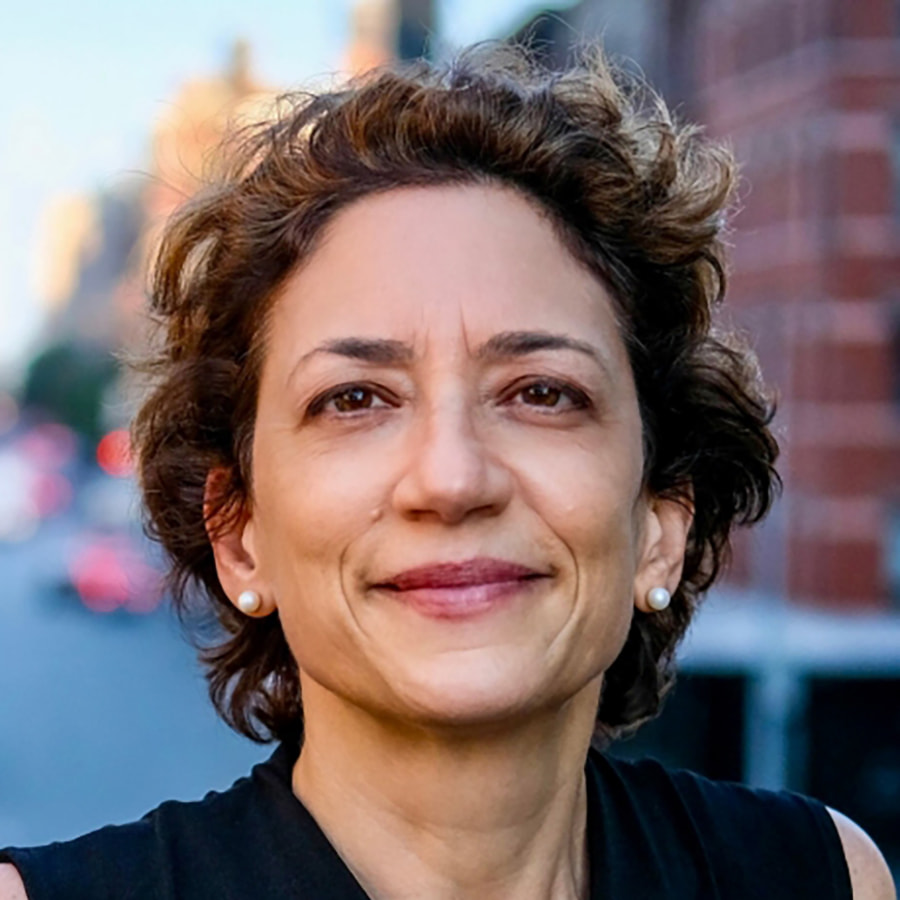
2025
Polly Trottenberg, MPP served more than 25 years in public sector roles in all levels of government including Deputy Secretary at the U.S. Department of Transportation (USDOT), Assistant Secretary and Under Secretary for Policy at USDOT and New York City’s Transportation Commissioner. She ran Building America’s Future and worked in key roles in the U.S. Senate for 12 years.
Lecture Title: Democracy, Equity, and the Promise of Public Transit
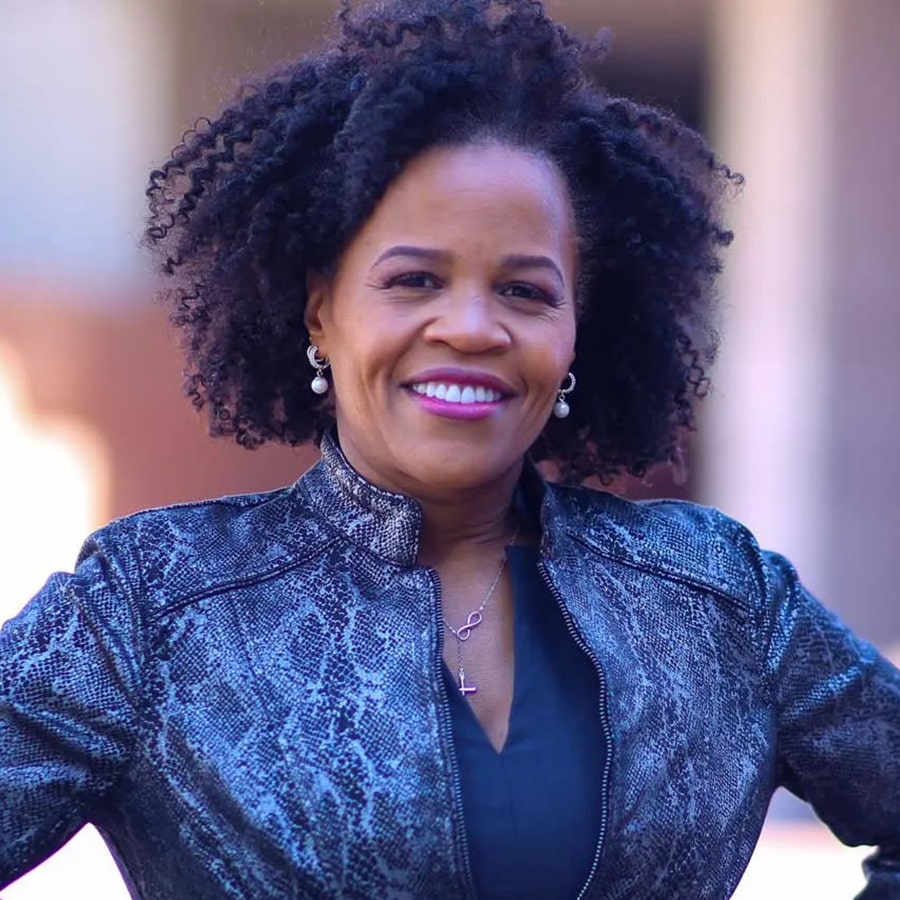
2024
The Honorable Kim Janey is a proud fourth-generation Roxbury resident and the President and CEO of Economic Mobility Pathways (EMPath). She made history as Boston’s first woman and first Black mayor and served as President of the most diverse City Council in Boston's history.
Lecture Title: Yellow Buses, White Flight, and Black Resistance: 50 Years After Boston’s Efforts to Desegregate Schools
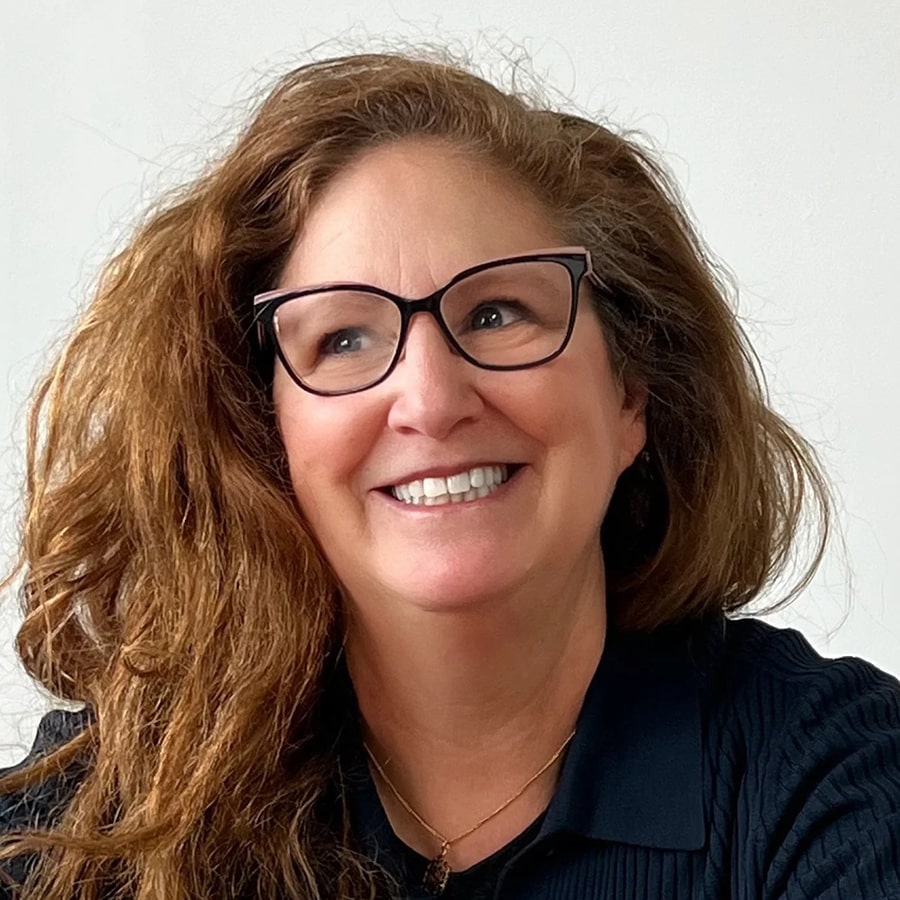
2023
Dahlia Lithwick, JD is one of the nation’s foremost legal commentators serving as MSNBC analyst and senior editor at Slate, having written their Supreme Court Dispatches and Jurisprudence columns since 1999. Her 2022 book Lady Justice presents a historical account and perspective on the intersection of feminism, law, and politics.
Lecture Title: Lady Justice: Women, the Law, and the Battle to Save America
Media Coverage: UMB News
2022
Ashish K. Jha, MD, MPH is a practicing physician and renown global and national leading voice on pandemics and public health. He was in 2022 appointed the White House Coronavirus Response Coordinator. He is also the Dean of The School of Public Health and Professor of Health Services, Policy, and Practice at Brown University.
Lecture Title: The Role of Public Service in Transitioning to a Post-COVID Era
2021
Yamiche Alcindor is an American journalist who is the White House correspondent for the PBS NewsHour and a political contributor to NBC News and MSNBC. In the past, she has worked as a reporter for USA Today and The New York Times. Alcindor writes mainly about politics and social issues.
Lecture Title: Reporting Truth Amid a Pandemic and Racial Reckoning
Media Coverage: UMB News
2020
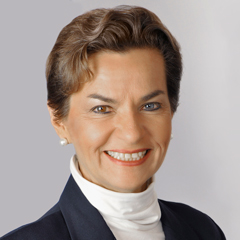
Christiana Figueres, Former Executive Secretary, United Nations Framework Convention on Climate Change; Founding Partner, Global Optimism, and Convener, Mission 2020
Lecture Title: The Future We Choose: Surviving the Climate Crisis in the Age of COVID-19
Media Coverage: Nature Book Review
2018
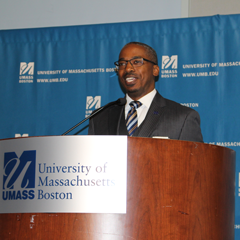
Reuben E. Brigety, II, Dean of the Elliott School of International Affairs, George Washington University
Lecture Title: America, Heal Thyself: Political Polarization and the Rebuilding of American Soft Power
Media Coverage: UMass Boston News
2017
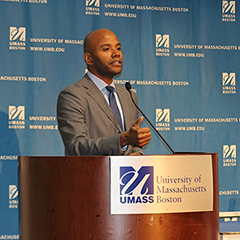
Peniel E. Joseph, Professor of Public Affairs and Barbara Jordan Chair in Ethics and Political Values at the Texas LBJ School of Public Affairs at The University of Texas Austin
Lecture Title: The Struggle for Black Dignity in the Age of Trump and the Era of Black Lives Matter
Media Coverage: UMass Boston News
2016
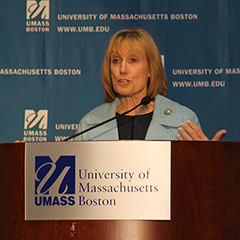
Maggie Hassan, Governor of New Hampshire, Daughter of Robert Wood, and Current Junior United States Senator from New Hampshire
Lecture Title: What I Learned from my Father about Public Service
Media Coverage: UMass Boston News
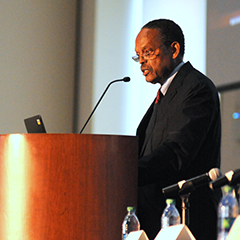
2015
William Julius Wilson, Lewis P. and Linda L. Geyser University Professor at Harvard University
Lecture Title: Reflections on Issues of Race and Class in the 21st Century: Revisiting Arguments Advanced in The Declining Significance of Race (1978)
Media Coverage: UMass Boston News
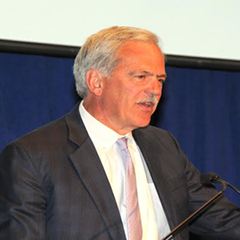
Spring 2014
Paul Grogan, President and CEO of The Boston Foundation
Lecture Title: Where Boston Can Lead: The Urban Education Crisis and What To Do About It
Media Coverage: UMass Boston News
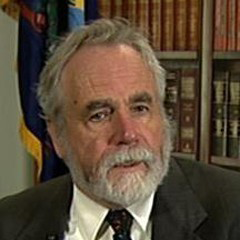
Fall 2014
Garrison Nelson, Professor of Political Science at the University of Vermont and Author of John W. McCormack, A Political Biography
Lecture Title: Promises Kept: John McCormack, Social Security, Medicare, and Medicaid
Media Coverage: UMass Boston News
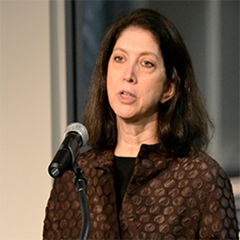
2013
Shelley Metzenbaum, Associate Director for Performance and Personnel Management at the White House Office of Management and Budget
Lecture Title: Performance: Delivering Effective, Accountable, Trusted Government
Media Coverage: UMass Boston News
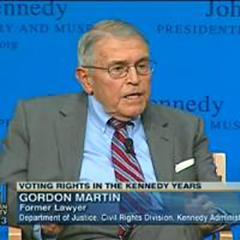
2011
Gordon A. Martin, Jr., Adjunct Professor of Law at New England School of Law and former judge and chief of the Massachusetts Commission Against Discrimination
Lecture Title: The Right to Vote: Access to the Polls from the Civil Rights Act of 1957 to the Elections of 2012
Media Coverage: UMass Boston News
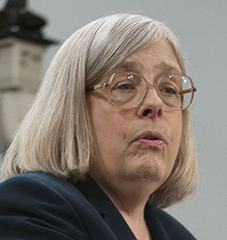
2010
Theda Skocpol, Victor S. Thomas Professor of Government and Sociology at Harvard University
Lecture Title: Barack Obama and American Politics
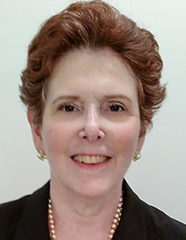
2009
Barbara Nelson, Dean of the UCLA Luskin School of Public Affairs and Founder of The Concord Project
Lecture Title: Building Social Capital in Divided Societies: Lessons from The Concord’s Work in Northern Ireland, South Africa, and the United States
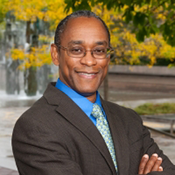
Keith Wailoo, Martin Luther King, Jr. Professor of History at the Institute for Health, Health Care Policy, and Aging Research at Rutgers University and Author of Dying in the City of Blues and Drawing Blood
Lecture Title: How Cancer Crossed the Red Line: Race and Disease in America
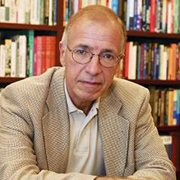
2007
Alejandro Portes, Howard Harrison and Gabrielle Snyder Beck Professor of Sociology and director of the Center for Migration and Development at Princeton University
Lecture Title: No Margin for Error: Disadvantage and Success in the Immigrant Second Generation
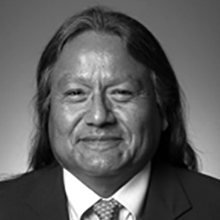
2006
Gerald Torres, Bryant Smith Chair in Law at the University of Texas School of Law
Lecture Title: Democracy Means the People Make the Law
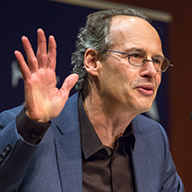
2005
James Morone, Professor of Political Science at Brown University
Lecture Title: Hellfire Nation: The Politics of Sin in America
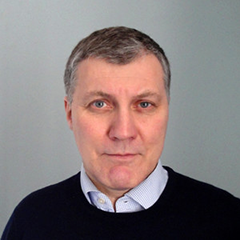
2004
Michael Keith
Lecture Title: Globalizing Culture: Multicultural Cities and the Future of Racism
_240x240.png)
2003
Edi Rama, Mayor of Tirana, capital of Albania
Lecture Title: Artful Democracy: Urban Government and Planning After Communism
2002
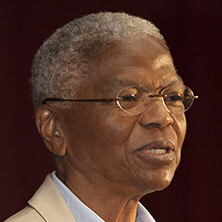
Mary Frances Berry, Geraldine R. Segal Professor of American Social Thought, Professor of History at the University of Pennsylvania, and Former Chair of the U.S. Commission on Civil Rights
Lecture Title: Homeland Defense, Economic Security, and Civil Rights in the U.S.
2000
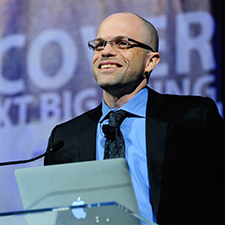
Xavier de Souza Briggs, Vice President for US programs of the Ford Foundation
Lecture Title: Community Building: The New (and Old) Politics of Urban Problem Solving in the New Century
1999
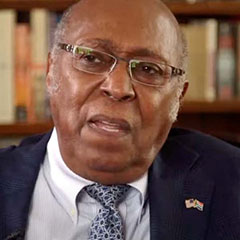
Charles Hamilton
Lecture Title: The Role of Government – the Perennial Debate
1998
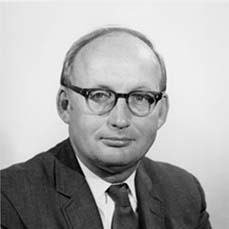
Kick-off Lecture at UMass Boston and Dinner at JFK Library
Lecture Title: Bob Wood as a Public Intellectual
Robert Wood's Biography
About Robert C. Wood
The endowed Robert C. Wood Visiting Professorship honors Dr. Robert Coldwell Wood (1923–2005), scholar-practitioner of American urban affairs and presidential adviser to John F. Kennedy and Lyndon B. Johnson. Throughout his teaching and public career, Wood tackled the challenges of metropolitan governance, urban innovation, institutional accountability and corruption, housing, public education, and public transportation. He helped establish HUD as its first Under Secretary, then Secretary; directed the MIT–Harvard Joint Center for Urban Studies; chaired the MBTA board; and served as UMass president, growing UMass Boston and relocating the JFK Library to Columbia Point. He also served as Boston's public school superintendent during court-ordered desegregation. From 1980-83 he taught government and political science at Harvard, MIT, and UMass Boston, where he helped develop the McCormack Institute. He then moved to Wesleyan University, where he held the Henry Luce Professorship of Democratic Institutions and Social Order. Over his career, Dr. Wood authored multiple books and articles on urban policy, presidential decision-making, and remedial law.
Wood Professorship Committee Members
- Amrith Fernandes Prabhu, Doctoral Candidate, Department of Public Policy and Public Affairs
- Michael Johnson, Professor
- Christa Kelleher, Research and Policy Director, Center for Women in Politics and Public Policy
- Mehr Latif, Assistant Professor
- Adugna Lemi, Associate Dean of College of Liberal Arts & Director of McCormack Graduate School
- Marcy Murninghan, Special Advisor, Committee on Robert C. Wood Visiting Professorship in Public & Urban Affairs
- Erin O'Brien, Professor
- Jeffrey Pugh, Associate Professor
- Franny Wood, Daughter of Robert Wood
The McCormack School
McCormack Hall, 3rd Floor, Room 625
100 Morrissey Blvd.
Boston, MA 02125-3393
phone: 617.287.5550
email: mccormack.gradschool@umb.edu